Russians turn to mystics in troubled times

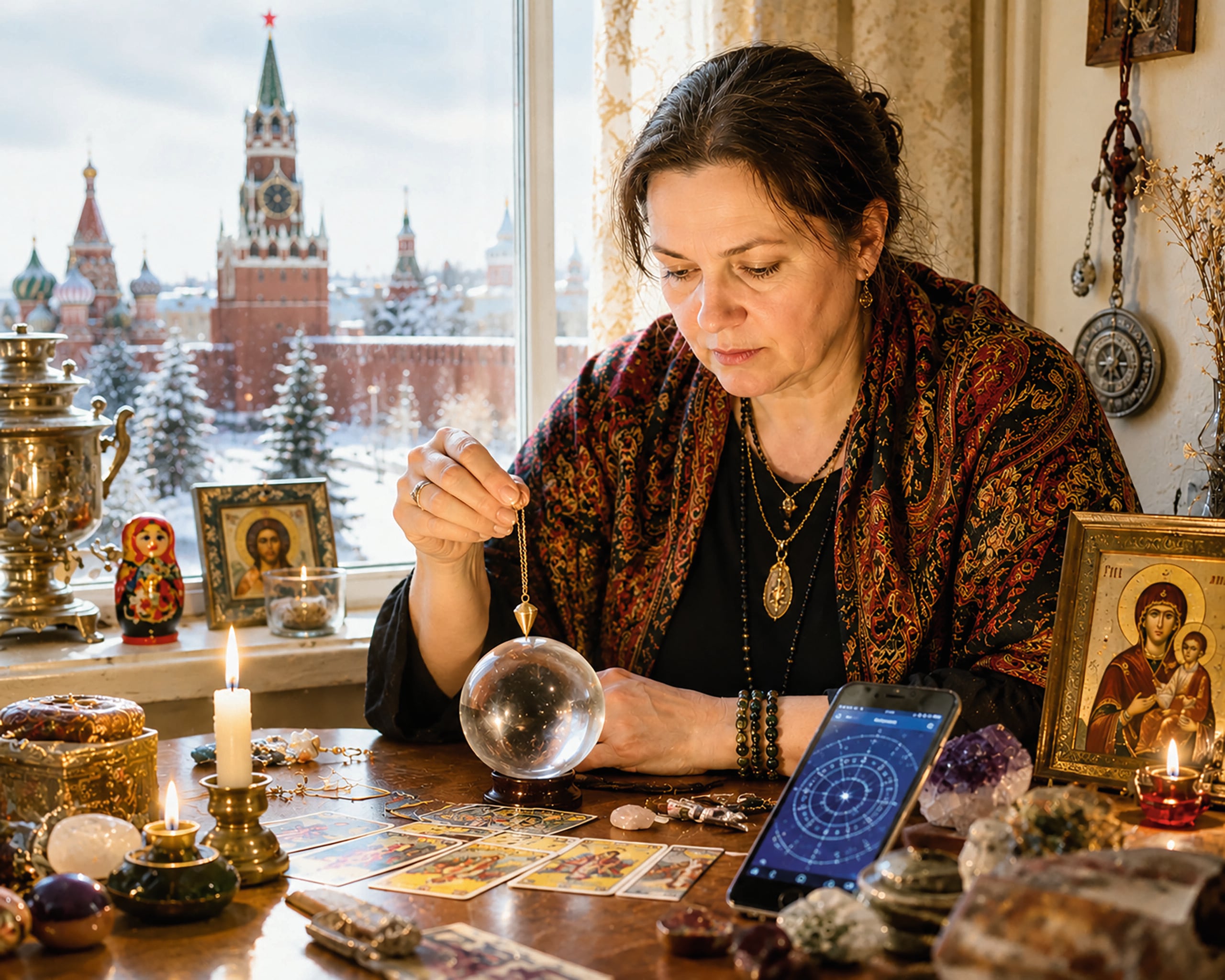
A NEW poll has found that 85 per cent of Russians have dealt with or dabbled in “magical practices,” according to a report from news agency Reuters.

The research was conducted by the All-Russian Center for the Study of Public Opinion (VTsIOM). Key findings included a surge in mysticism, with increasing numbers of people turning to fortune tellers and shamans.

The business sector for occult services, including tarot readers and astrologers, has grown by over twenty per cent since the last data was compiled in 2019. Then only 31 per cent of respondents said they believed in magic or the ability to foresee the future; now it is almost half.

“Today’s geopolitical and economic challenges in Russia and worldwide heighten anxiety, triggering a surge in mysticism,” VTsIOM said as it published the results.

“In such conditions, especially against the backdrop of military threats, belief (regardless of which gods are involved) turns into a tool of psychological defence.”

Reuters found that demand for “crystal balls and protective amulets more than doubled last year, while sales of aspen stakes – said to defend the owner from evil spirits – quadrupled.”

The agency spoke to Natalia Malinovskaya, a witch living in Moscow, who offers services ranging from love spells to protection from evil. Her clients include soldiers fighting in Ukraine, who worry about their partners staying faithful while they are away.

“They contact me, and there are many of them,” said Natalia, explaining that she can only assist in person when soldiers are on leave.

“It’s impossible to carry out a ritual at the front,” Natalia added. “Where would someone burn candles? How would I even send them there?”

Orthodox Christianity, mysticism and folk superstitions have managed to coexist in Russia through centuries of political and religious upheaval.
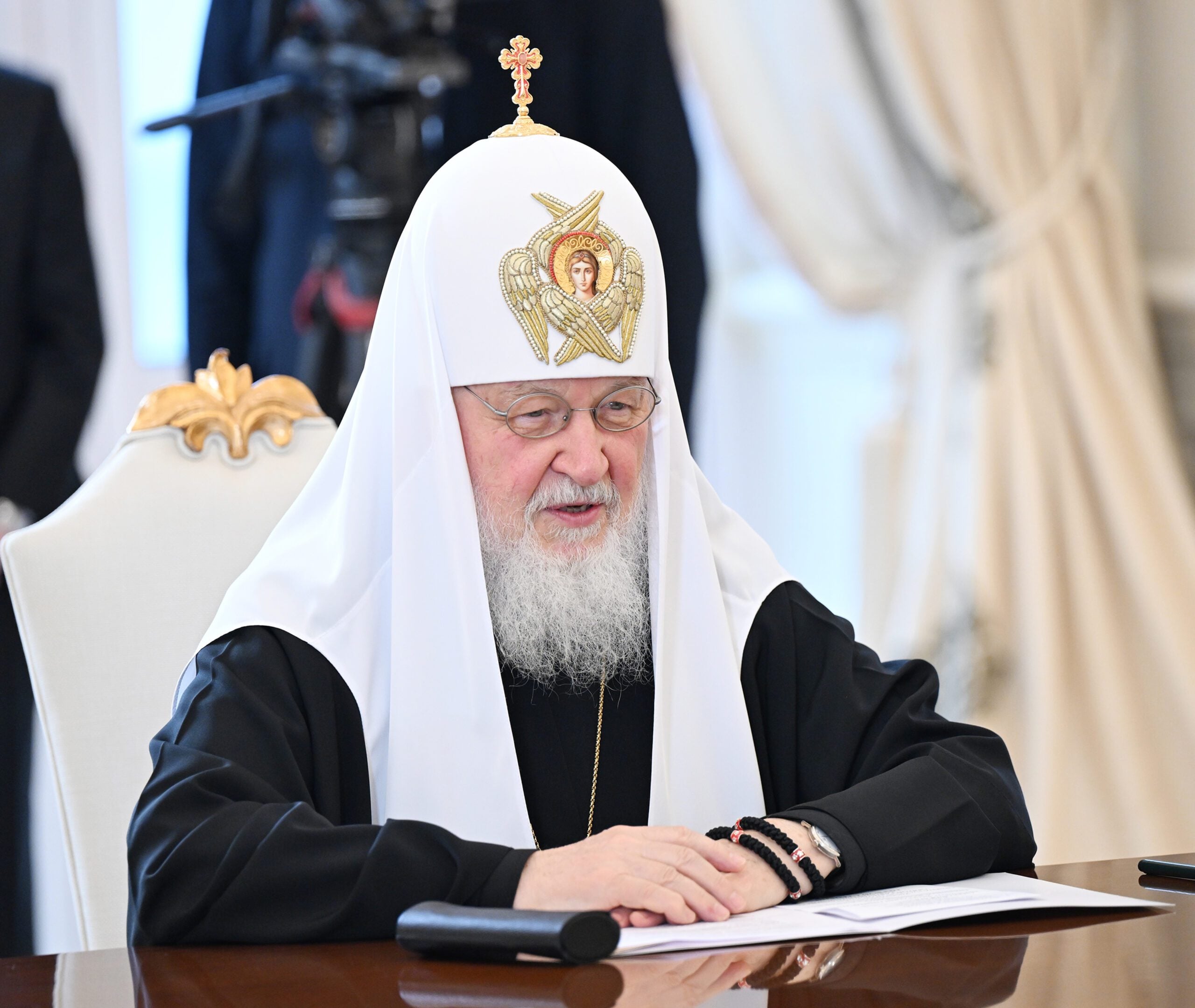
Patriarch Kirill of the Russian Orthodox Church supported the ban, condemning the “mass manipulative influence” of fortune-tellers and psychics. (Photo: Office of the President of Azerbaijan)
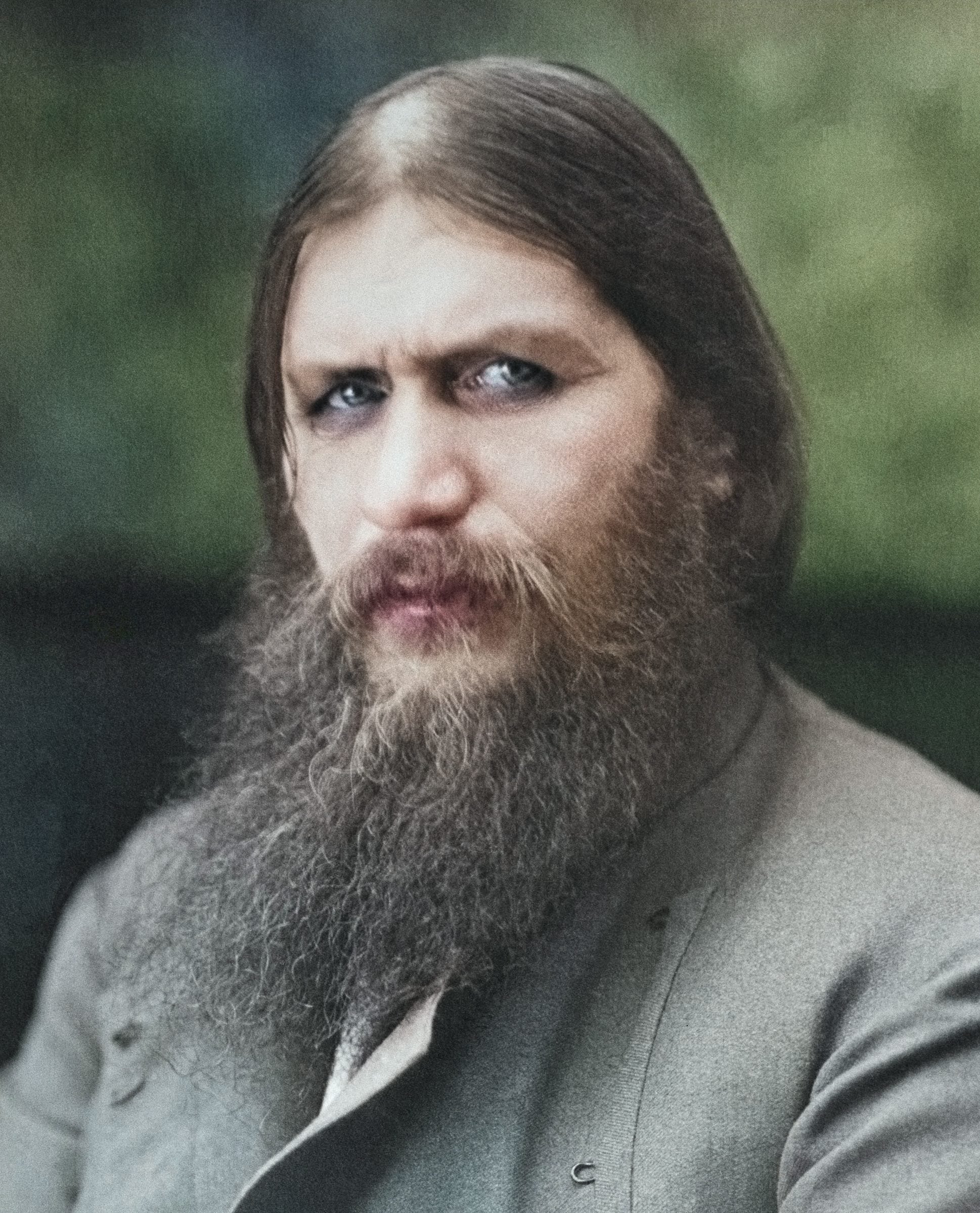
Grigori Rasputin (1864-1916)
Comparisons have been drawn to the Russian court of Tsar Nicholas II. In 1916 Grigori Rasputin, the mystical monk, was murdered because opponents feared his influence over the Tsar. (Photo: Public Domain)

Last year members of the State Duma, the lower house of the Russian Federal Assembly, introduced a bill to ban advertising for services such as astrology and energy healing, warning these can lead to the financial exploitation of vulnerable people.

The duma’s Deputy Speaker complained that the mass media had been overrun by predictions from “magicians, astrologers, fortune tellers, shamans and other predictors.”

Researchers at VTsIOM said that in 2024 Russians spent almost as much on “sorcerers” and “occult services” as they did on groceries.

Internet consultations to astrological, numerological and fortune-telling sites grew by 38 per cent in the years between surveys.

The Kyiv Post quoted Maria Danina, co-founder of the online Psychodemiya website, as saying people seek a variety of spiritual support during times of crisis, “which helps them regain a sense of control over the situation, comprehend changes and adapt to them.”

Patriarch Kirill of the Russian Orthodox Church supported the ban, condemning the “mass manipulative influence” of fortune-tellers and psychics.

In an interview with the Russian news agency TASS, he said fortune-telling contains a “dark force” and contrasted it with miracles, which he linked to divine power and grace.

Last year the Supreme Court banned an organisation labelled the International Satanism Movement, describing it as an extremist ideology rooted in hatred and hostility toward traditional religious faiths.

The duma’s ruling allows for the seizing of assets and freezing of bank accounts linked to alleged members. However, commenters stated that no formal body of this name exists.

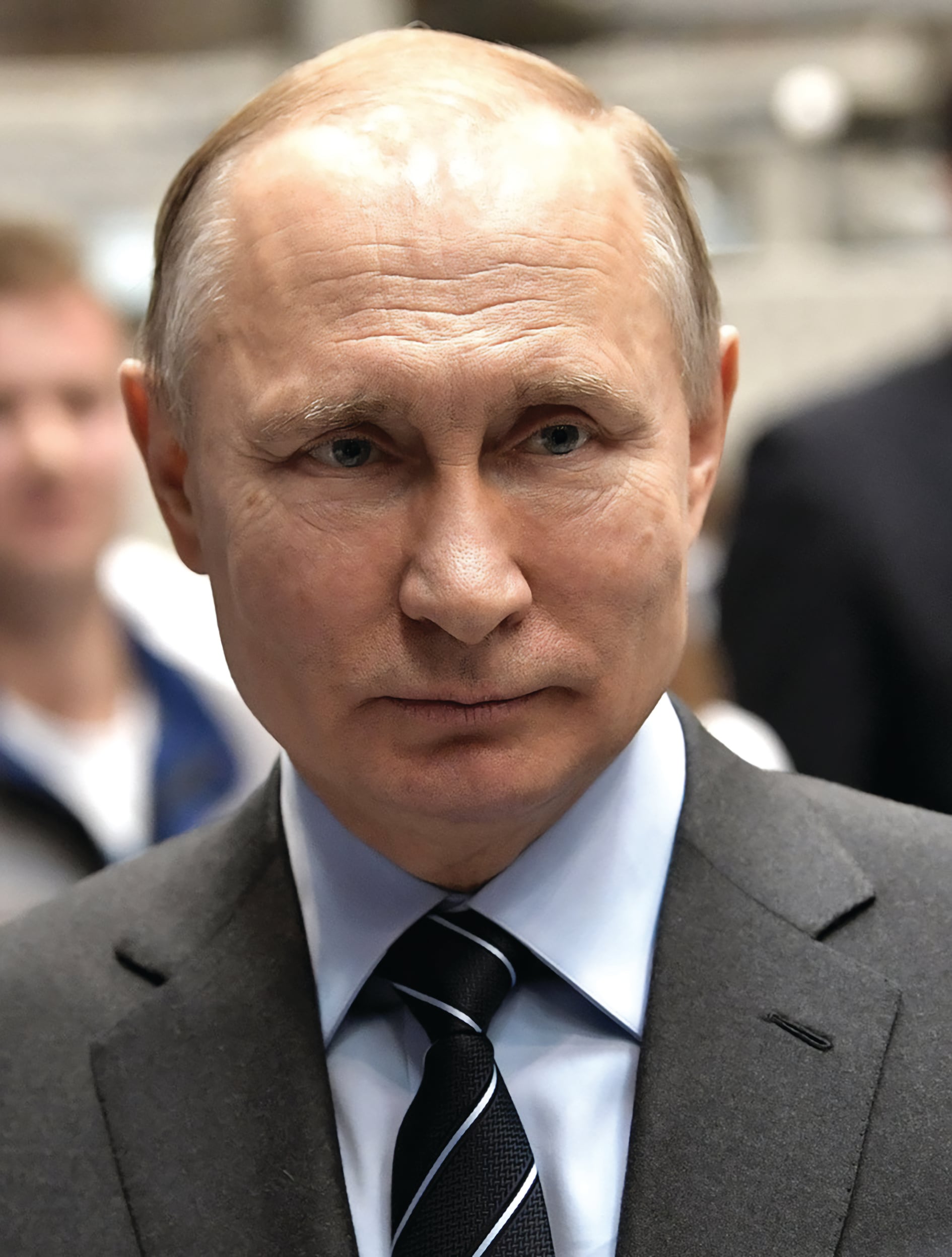
All of this is set against claims that President Vladimir Putin has a “frightening fascination” with the occult. Some say that the dictator surrounds himself with mystics and shamans to help him wage and win wars, including the invasion of Ukraine in 2022. Mystics in Putin’s inner circle have reassured him that victory is assured.

Comparisons have been drawn to the Russian court of Tsar Nicholas II. In 1916 Grigori Rasputin, the mystical monk, was murdered because opponents feared his influence over the Tsar.

As recently as 2021, Russian soldiers were told that intelligence acquired through extra-sensory perception techniques had revealed the evil intentions of the West.

A military mole said the research team “called ourselves special operators – people with advanced brain capabilities. The Americans have not even come close to our results.”

Putin has displayed traditional superstitious behaviour such as making a sign of the cross over his mouth after accidentally mentioning the Devil in a clumsy attempt at a joke, but his conviction that his actions are approved and supported by otherworldly powers is no laughing matter.

Author and political expert Mark Hollingsworth wrote in The Spectator that “Moscow’s perceived sphere of political, cultural and military influence has been embraced by Putin with devastating consequences for the Ukrainian people.

“He believes the world is in perpetual conflict between the light (Russia) and the dark (West), and that the war is a spiritual and cultural confrontation as much as a military one.”

Vladimir Putin, April 2019 (Photo- kremlin.ru)
All of this is set against claims that President Vladimir Putin has a “frightening fascination” with the occult. (Photo: kremlin.ru)

Stay Connected with Psychic News

Get the latest stories on mediumship, spiritualism, and the paranormal delivered straight to you. Subscribe to Psychic News Magazine today for exclusive content, investigative features, and insights from the world of the spirit.

Subscribe to Psychic News